Men's bladder and pelvic health
Articles on men's bladder, prostate, and pelvic health. Track your symptoms with our 3-day diary.
Men experience bladder and pelvic symptoms across the lifespan, and most are quietly treatable once the underlying pattern is understood. Some patterns start in midlife and get blamed on prostate enlargement when the real driver is somewhere else entirely, like fluid timing, caffeine load, sleep fragmentation, or a pelvic floor that has been gripping for years without anybody naming it. Others show up after surgery, after a sports injury, or after years of holding it too long at work, and respond well to focused treatment when they are correctly attributed. A third group, less obvious, comes from years of sitting through long meetings, long commutes, and long flights, with a pelvic floor that has slowly learned to clamp instead of release. Each of these patterns has a different fix, and the fix lands faster when the pattern is named honestly. The articles below cover the patterns that bring most men into our clinics. Waking up to pee multiple times a night (nocturia) often comes from nighttime urine production drifting upward, not from a bladder that has gotten smaller; the diary separates those two stories cleanly. Urgency that does not match how much is actually in the bladder is a different mechanism again, often involving overactivity in the detrusor muscle or a pelvic floor that has lost its quiet baseline. Slow stream, hesitancy, and the feeling that you did not fully empty point at flow patterns that may or may not be BPH. Post-void dribbling has a specific muscular cause and a specific behavioral fix. Post-prostatectomy recovery is its own arc, with its own timeline, and benefits enormously from data instead of guesswork. Bladder-irritant patterns from caffeine, alcohol, and certain foods sit underneath several of these stories. The 3-day bladder diary captures the data that almost every clinician will eventually ask for, and puts it in your hands first. You log every void with its volume, every drink with its volume and type, every urgency moment, every leak, and your bedtime and wake time. Out of that come the numbers that matter: total 24-hour urine output (how much your kidneys are producing across a full day), maximum voided volume (how much your bladder is comfortably holding right now), average voided volume across the day, and the nocturnal polyuria index (what fraction of the day's output is happening at night). Those four numbers tell most of the story. They are the same numbers a urologist would compute from a clinic-issued diary, computed here from your own routine in your own timezone. The right next conversation depends on what the diary shows. If the dominant pattern is flow-related (slow stream, hesitancy, post-void dribble, urgency layered on top), a urologist is the natural specialist, and the diary numbers plus a flow study tell most of what they need. If the pattern is muscular (gripping, holding, post-exercise spasm, post-surgery recovery), a pelvic-floor physical therapist trained in male pelvic health is often the right first visit, sometimes before any specialist appointment. If the pattern is mixed, or the diary surfaces something you want a second opinion on before going specialist, a primary care visit with the diary export in hand is a clean starting point. All three read the same export. The diary takes 3 days. It runs on this device, in your own timezone, with no account, no sign-in, no data leaving the device. At the end of day 3 you get a clinician-ready CSV or PDF you can email, print, or hand over at the next appointment. The point is not to diagnose yourself; the point is to walk into the appointment with the same data the clinician would otherwise have to extrapolate from memory. Memory is a poor instrument for what your bladder did at 3 a.m. on Tuesday. The diary is a good one.
Track your symptoms in 3 days
Our bladder diary is built specifically for men's pelvic health, following the IPC methodology used by clinicians.
Start the 3-day diary
Bladder Diary: What Three Days of Tracking Show You
A bladder diary is three days of fluids, voids, and leaks. Done well, it does not tell you what is wrong; it shows you what your body is actually doing.


Bladder Assessment Tools: Which Ones You Can Use at Home
A bladder or continence assessment tool turns your bladder symptoms into data. Three are patient-usable at home; the diary does most of the work.

Bladder Diary App: What 3 Days Will Show You
Three days of bladder diary data will probably surprise you. Here is what an app shows you, why your care team wants the chart, and how to start tonight.

Bladder Diary PDF: Where to Find One and How to Use It
A printable bladder diary PDF works as well as any app, if you fill it out for three days. Where to find a free one, how to use it, and when paper wins.

Bladder Irritants: Foods and Drinks to Avoid
Caffeine, alcohol, and certain foods irritate a sensitive bladder. So do dehydration, holding too long, and a few medications. A 3-day diary tells which are yours.
Does Coffee Irritate the Bladder?
Does coffee irritate the bladder? Yes, and caffeine is the reason. See how much is too much, how long it lasts, and why decaf is the highest-yield swap.

Foods That Irritate the Bladder: Evidence-Based Guide
Caffeine, alcohol, citrus, tomato, and spicy foods top the list of foods that irritate the bladder. Use a 14-day elimination test to find yours.

Bladder Training Exercises: Find the Drill That Fits You
Bladder training is not one exercise. It is four drills, mapped to four bladder problems. Match the drill to your bladder type using the 4Is framework.
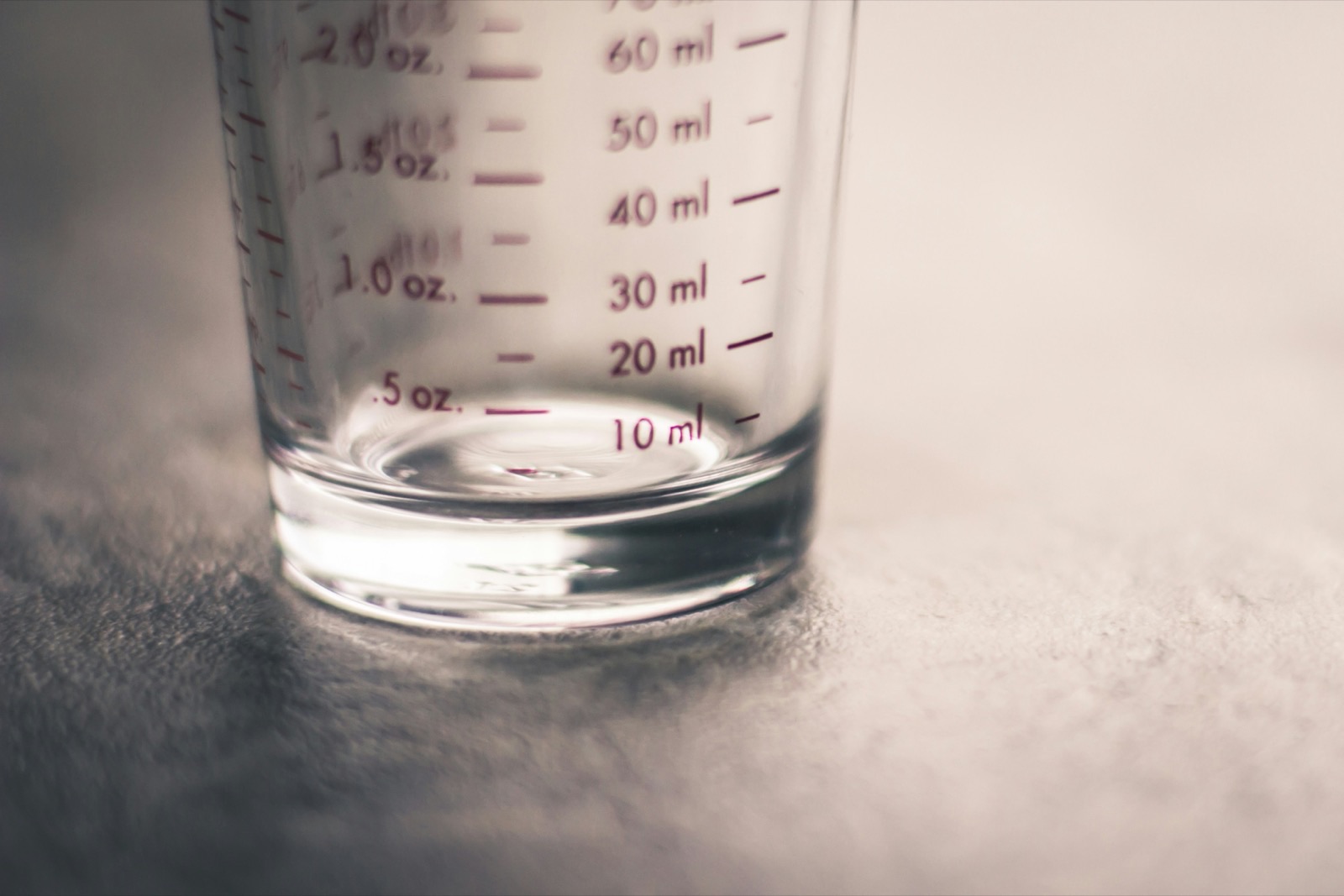
Bladder Capacity: What's Normal, and How to Find Yours
A healthy adult bladder usually holds 300 to 500 ml. That average tells you almost nothing about yours. Find your own in three days with a measuring cup.

Pelvic Floor Exercises for Men: What They Help and How to Start
Pelvic floor exercises help men with after-dribble, urgency, and leaks. Here is what they actually help, the two moves men are never taught, and how to start.
Urge Suppression Techniques: 60-Second Drill (Printable)
Urge suppression rests on three levers: delay, distraction, technique. The 60-second drill, the squeeze intensity, the breath, and the fluid trap to avoid.

Enlarged Prostate Symptoms: What They Mean and What to Do
Most enlarged prostate symptoms are a mix of two clinically different buckets. The mix tells you what to do this week, no surgery required for most men.

Enlarged Prostate Diet: What Actually Helps (and What's a Myth)
No food shrinks an enlarged prostate, but weight, exercise, and an eating pattern genuinely ease symptoms. Here is what the evidence supports and what is hype.

Enlarged Prostate Treatment: Your Options
Enlarged prostate treatment is a ladder: lifestyle changes, medication, minimally invasive procedures, then surgery. Most men never need an operation. Here is how to choose.

How to Pee With an Enlarged Prostate
How to pee with an enlarged prostate: everyday techniques for a slow stream, the cold-medicine trap, and the one emergency you must never wait on.
Needing to Pee a Lot: Causes, Normal Range, and What to Do
Most adults pee 6 to 8 times a day. If you're going more, the cause is usually one of seven things, and a 3-day diary tells you which one is yours.
Feeling Like You Always Have to Pee
Feeling like you have to pee all the time is usually a signaling glitch, not a full bladder. Here is what it means, the most common reasons, and how to calm it.

How Long After Drinking Water Do You Pee?
How long after drinking water do you pee? For most healthy adults it is 30 to 45 minutes. Here is the real timeline, what changes it, and when the gap matters.
Pee a Lot After Drinking Water? Normal in 20 to 30 Minutes
Peeing a lot after drinking water is normal: your kidneys clear the surplus in 20 to 30 minutes. Check your own count, then track 3 days to be sure.

Urinary Incontinence in Men: Why You Leak and How to Stop
Bladder leaks in men are common and very fixable. Learn the three kinds of male leak, why prostate surgery is the usual trigger, and how pelvic-floor work wins back control.
Why You Wake Up to Pee at Night: Bladder vs Kidney
Nocturia has two completely different root causes. One yes/no question on a 3-day diary tells you which one is yours, and which doctor can fix it.

Waking Up to Pee at Night: Find Your Pattern in Three Days
Waking up to pee at night more than once is rarely just aging. It splits into two paths, bladder or kidney, and a 3-day diary tells you which.

Overactive Bladder in Men: Causes & Relief
Overactive bladder in men is common, treatable, and often confused with an enlarged prostate. Learn the symptoms, the real causes, and what actually calms it.

Overactive Bladder and Diabetes
Overactive bladder and diabetes are linked: high blood sugar and nerve damage make the bladder act up. Here is the real connection and what actually helps.

Overactive Bladder & Premature Ejaculation
Overactive bladder and premature ejaculation share the same pelvic-floor muscle and nerve. Here is how they connect, and what actually calms both.

Overactive Bladder in Your 20s and 30s
Yes, you can have an overactive bladder in your 20s. It is rarely dangerous and usually very treatable. Here is why young adults get it and what calms it.

Post-Prostatectomy Recovery: What Your Bladder Does Next
After prostate surgery, the bladder relearns how to work. Most of the leaks, urgency, and frequency are treatable. A 3-day diary tells you which path is yours.

Kegel Exercises After Prostate Surgery
How to do Kegels right after prostate surgery: find the muscle, avoid bearing down, train two ways, and learn the knack to stop leaks.

Peeing a Lot After Surgery: When It's Normal, When It's Not
Peeing a lot after surgery is normal for the first week. After prostate surgery, persistent frequency is a different problem with a different fix.

Urinary Urgency: The 4 Roads, Decoded
Urinary urgency is a sudden, hard-to-defer urge to pee. Most cases fit one of four functional patterns. A 3-day diary tells you which one is yours.

Medications for Urinary Urgency
Medications for urinary urgency: the two main drug classes, how they work, side effects, the memory caution in older adults, and where pills fit in the treatment ladder.
What Causes Urinary Urgency? The 4 Patterns Behind the Urge
The causes of urinary urgency cluster into four functional patterns. A three-day bladder diary tells you which is yours, and what to try first.

Urinary Urgency in Men: Why It Happens and What Calms It
Urinary urgency in men is usually a treatable signaling problem, often tied to the prostate, not a sign of disease. Here is why it strikes and what actually calms it.

Voiding Symptoms: Slow Stream, Hesitancy, and Trouble Emptying
Voiding symptoms describe the part of urination after the bladder decides to go. Slow stream, hesitancy, incomplete emptying. A 3-day diary tells you which fix is yours.

Why Does My Bladder Feel Like It's Not Empty?
Feeling that your bladder isn't empty after peeing is often a signal problem, not a plumbing problem. The diary plus a scan sorts which version you have.

How to Make Yourself Pee: What Works
How to make yourself pee for a urine sample, uroflow test, or ultrasound: tricks that work in minutes, honest timing, and the one move to never try.
Pee Dripping After Urination: Real Fixes
Pee dripping after urination is post-void dribble. In men it is urine left in the urethra; in women, urine pooled in the vagina. Both have quick fixes.

Trouble Starting to Pee
Trouble starting to urinate: why the stream is slow to start or stutters, what to do at the toilet (never strain), and the emergency to never wait on.
Underactive Bladder: The Muscle That Lost Its Squeeze
An underactive bladder is a tired bladder muscle that cannot empty fully. Track three days in a diary to see the pattern and skip the wrong meds.

A Weak Urine Stream Is a Clue, Not a Diagnosis
A weak urine stream is a clue, not a diagnosis. The cause may be plumbing, the bladder muscle, or pelvic-floor coordination. A 3-day diary tells which.
This article is for educational purposes only. It does not provide medical advice, diagnosis, or treatment. Always consult a qualified health professional regarding any medical condition.